Service · Somerset & Devon
Cob repair in Somerset — earth, straw and patience.
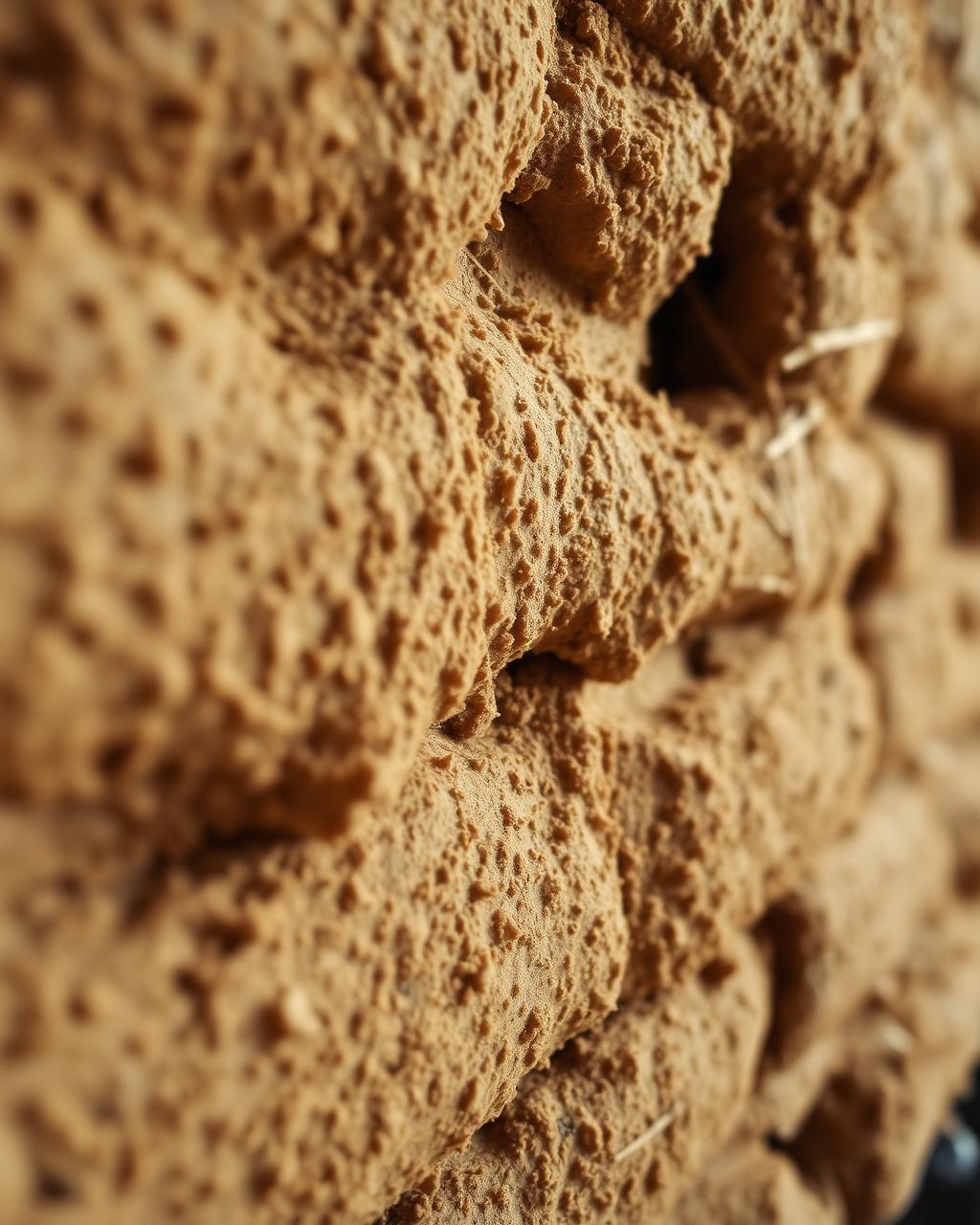
Cob — a mix of subsoil, straw and water raised in lifts — is one of the oldest vernacular building techniques in the South West, and there are more surviving cob buildings in Somerset and Devon than almost anywhere else in England. Properly looked after, a cob wall will last indefinitely. Sealed with cement render, it begins to fail almost immediately.
Most of the cob work we are called to in Taunton, Wellington, Tiverton and the surrounding villages involves undoing twentieth-century interventions: stripping off impermeable cement renders that have trapped moisture against the wall, drying the cob slowly under a breathable hessian wrap, and rebuilding lost sections in fresh cob matched to the original subsoil and straw.
For a walk-through of a typical job, read our journal post on what to expect when re-rendering a cob cottage.
What we do
- Removal of cementitious renders from cob and earth walls
- Sectional cob rebuilding in lifts, matched to the original mix
- Cob block repair for smaller patches and stitch-ins
- Breathable lime plasters and renders, internal and external
- Limewash and shelter-coat finishes in earth pigments
- Surveys and condition reports for listed cob buildings
Why cement is the enemy of cob
Cob is a soft, breathable, hygroscopic material. It needs to take in and release moisture through its surface; that's how it stays sound. Cement renders, gypsum plasters and modern paints all stop that exchange. The water that ought to leave the wall instead sits behind the render and slowly slumps the cob from inside. We have seen otherwise sound seventeenth-century walls effectively melted in a single wet winter by a sealed elevation.
Where we work
Our cob work covers Taunton and across Somerset and into mid and east Devon — areas where cob construction was once near-universal. We also work in Dorset and Wiltshire for listed and grant-aided projects. See the full list on our areas we cover page.
Common questions
Can a cob wall really be repaired, or does it need replacing?
Almost any cob wall can be repaired. We dry the wall slowly, cut back to sound material, and rebuild the lost section in fresh cob matched to the original subsoil and straw. Total replacement is almost never needed and rarely justified.
Why is cement render so damaging to cob?
Cob is breathable and hygroscopic — it needs to take in and release moisture. Cement renders, gypsum plasters and modern paints stop that exchange, trap water against the wall, and slump the cob from inside. We have seen otherwise sound seventeenth-century walls effectively melted in a single wet winter by a sealed elevation.
How long does cob take to dry before you can work on it?
It depends on how saturated the wall is and the season, but a wall that has been sealed in cement for decades may need weeks to months of slow drying under breathable hessian wraps before fresh cob or lime work can begin.
Do you work on listed cob cottages?
Yes — most of our cob work is on Grade II listed buildings. We provide method statements suitable for listed building consent and work to specifications agreed with conservation officers.
What finish goes on a repaired cob wall?
Externally, a haired hot-mixed lime render finished with limewash in earth pigments is the traditional choice across Somerset and Devon. Internally, a softer lime plaster. Neither contains cement or modern polymer additives.
Related work
Other things we do nearby
Lime Rendering
Breathable lime renders for cob and soft historic walls.
Read more →Lime Pointing
Hot-mixed lime repointing on stone and rubble walls.
Read more →Listed Building Repairs
Whole-building conservation for listed cob cottages.
Read more →Stone Wall Building
Hand-built and rebuilt stone walls across Somerset.
Read more →
Worried about a cob wall? The earlier we see it, the simpler the fix.
Request a survey