EST. 1998 — SOMERSET
The slow craft of keeping historic walls standing.
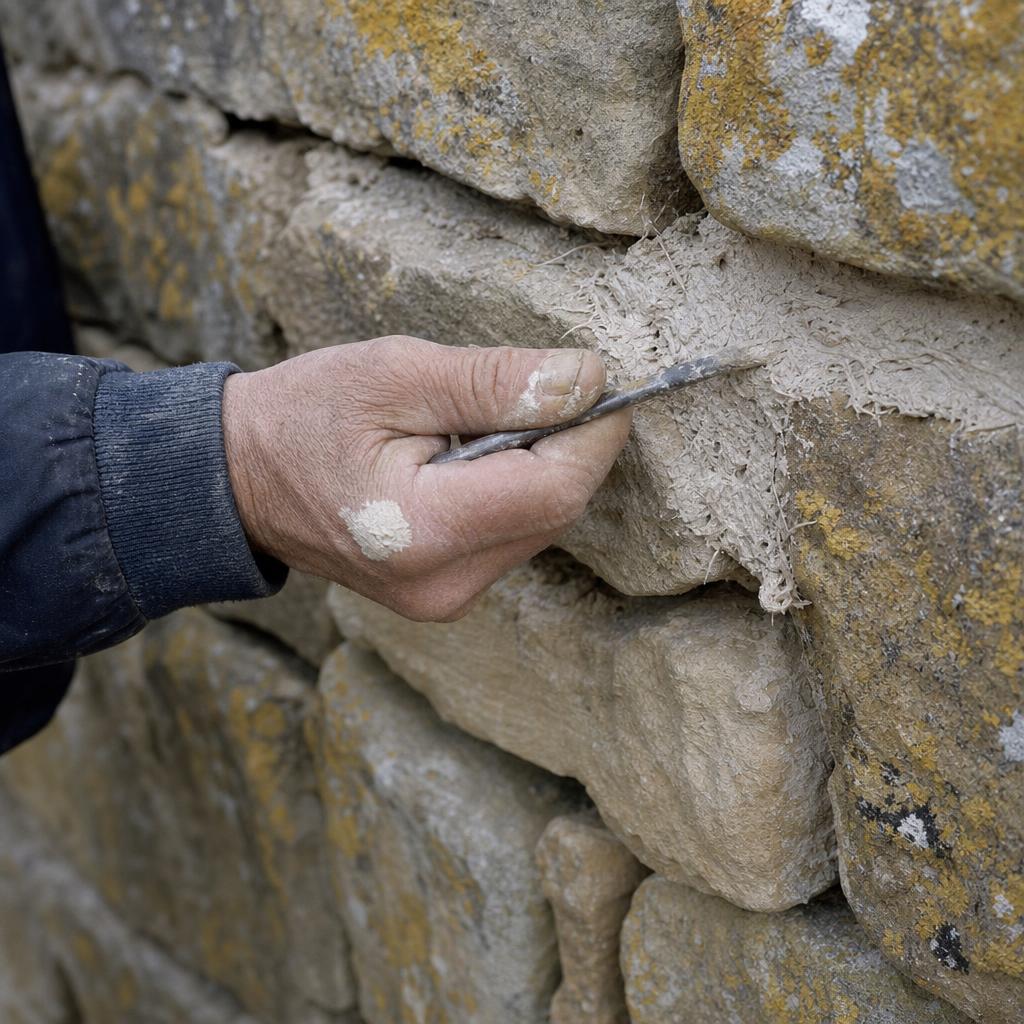
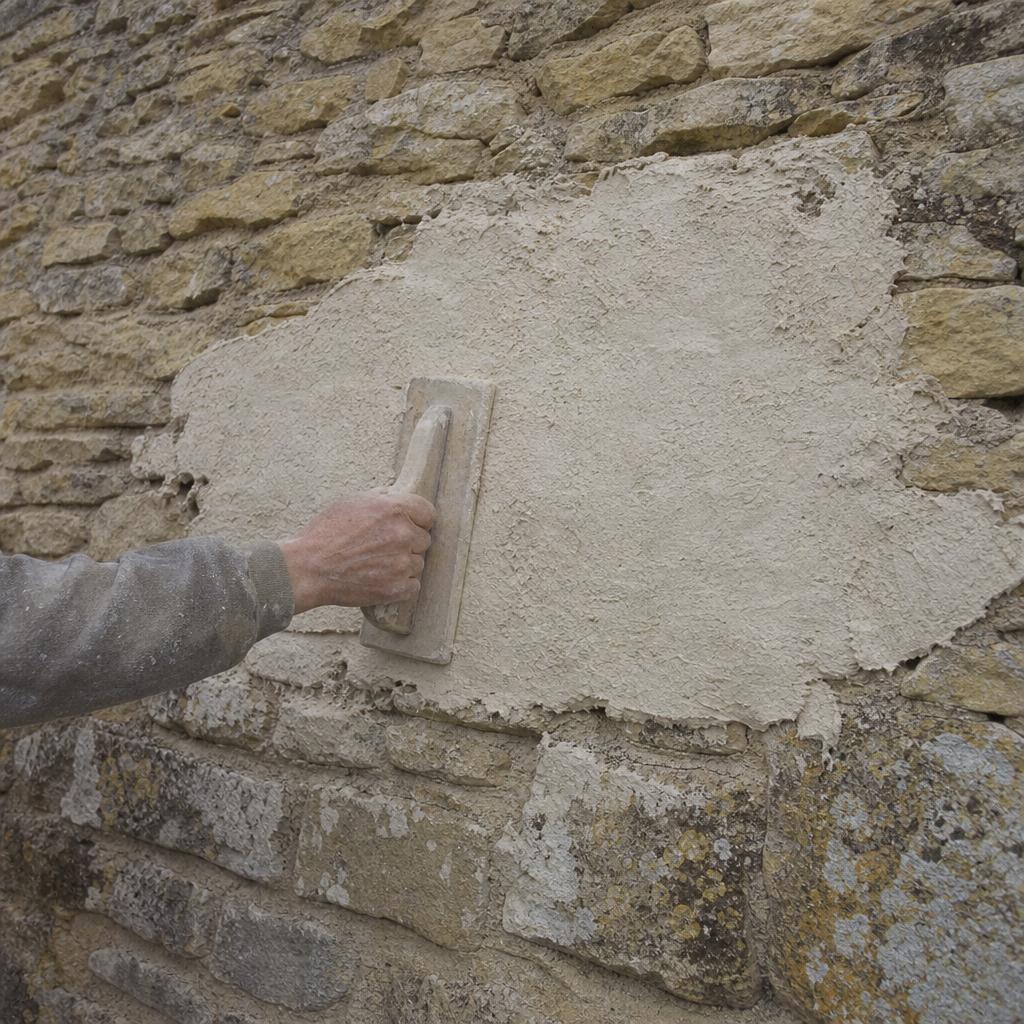
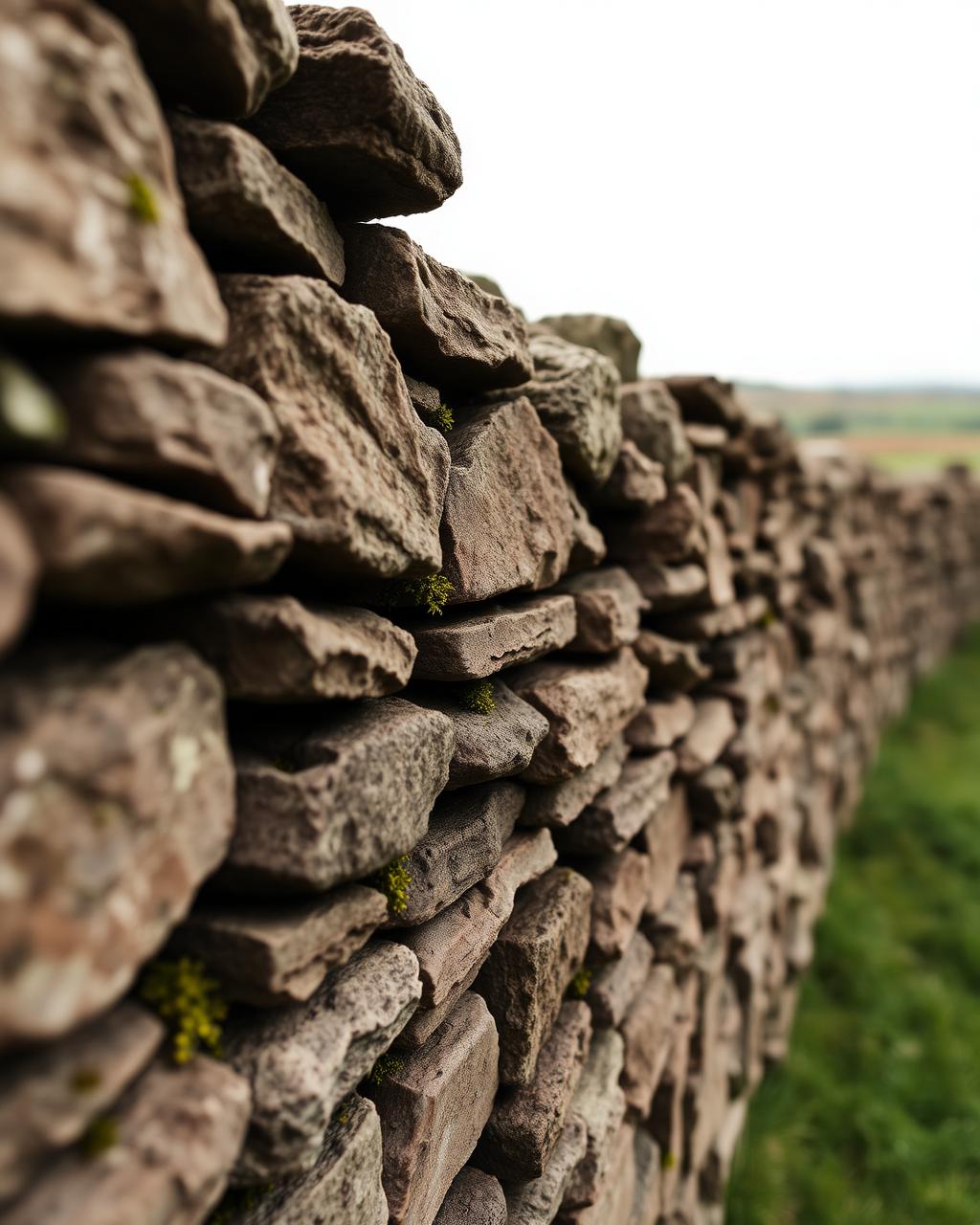
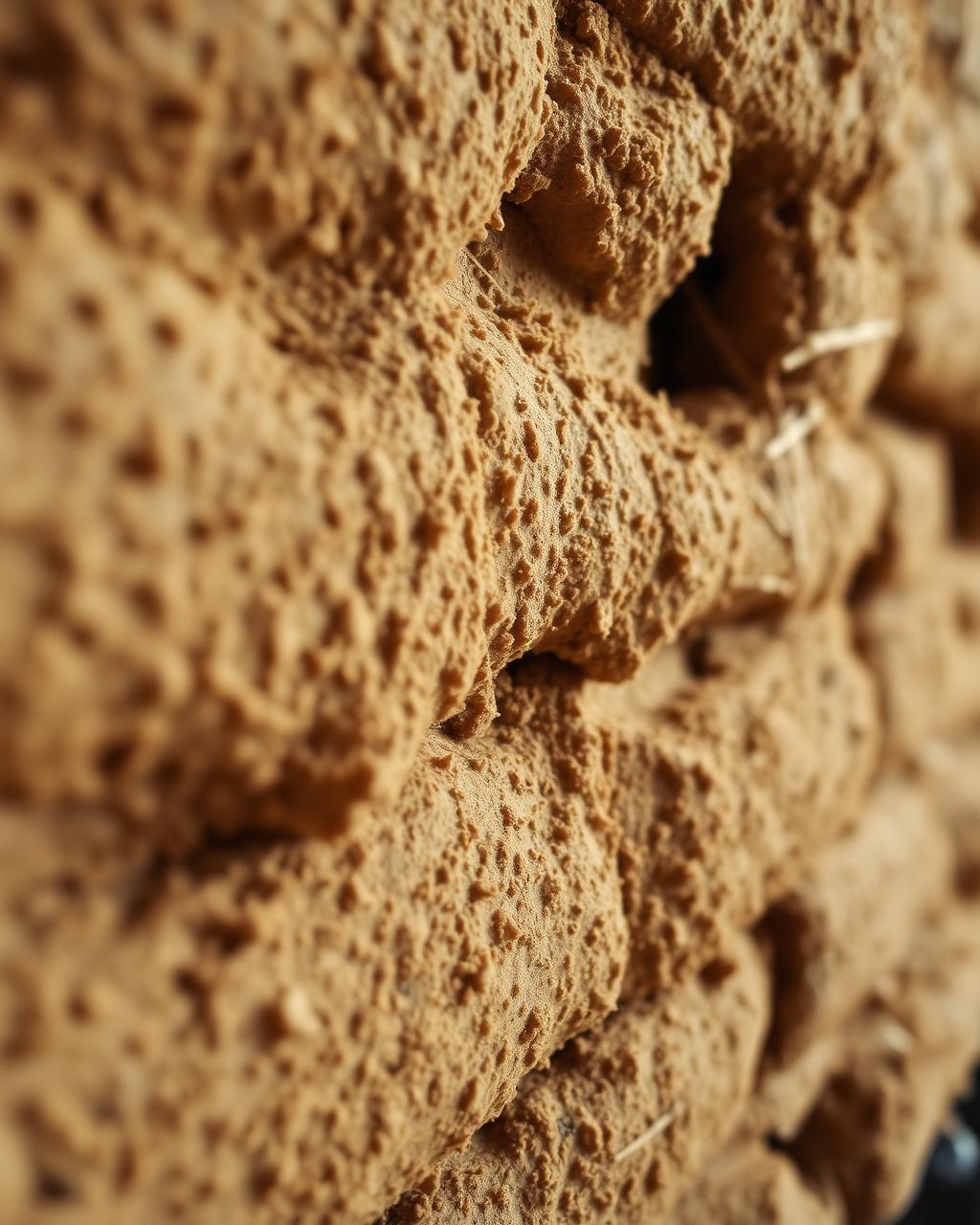
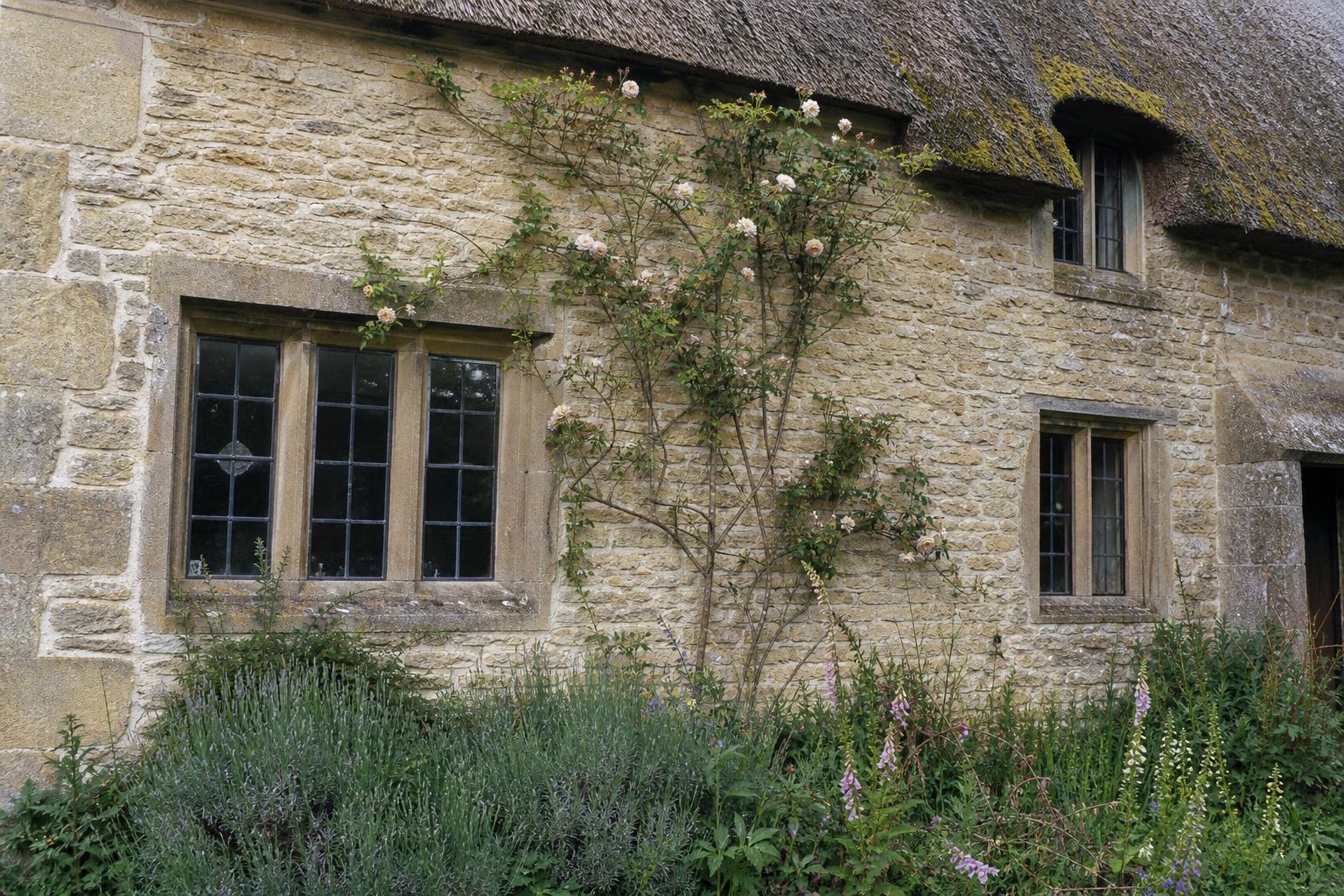
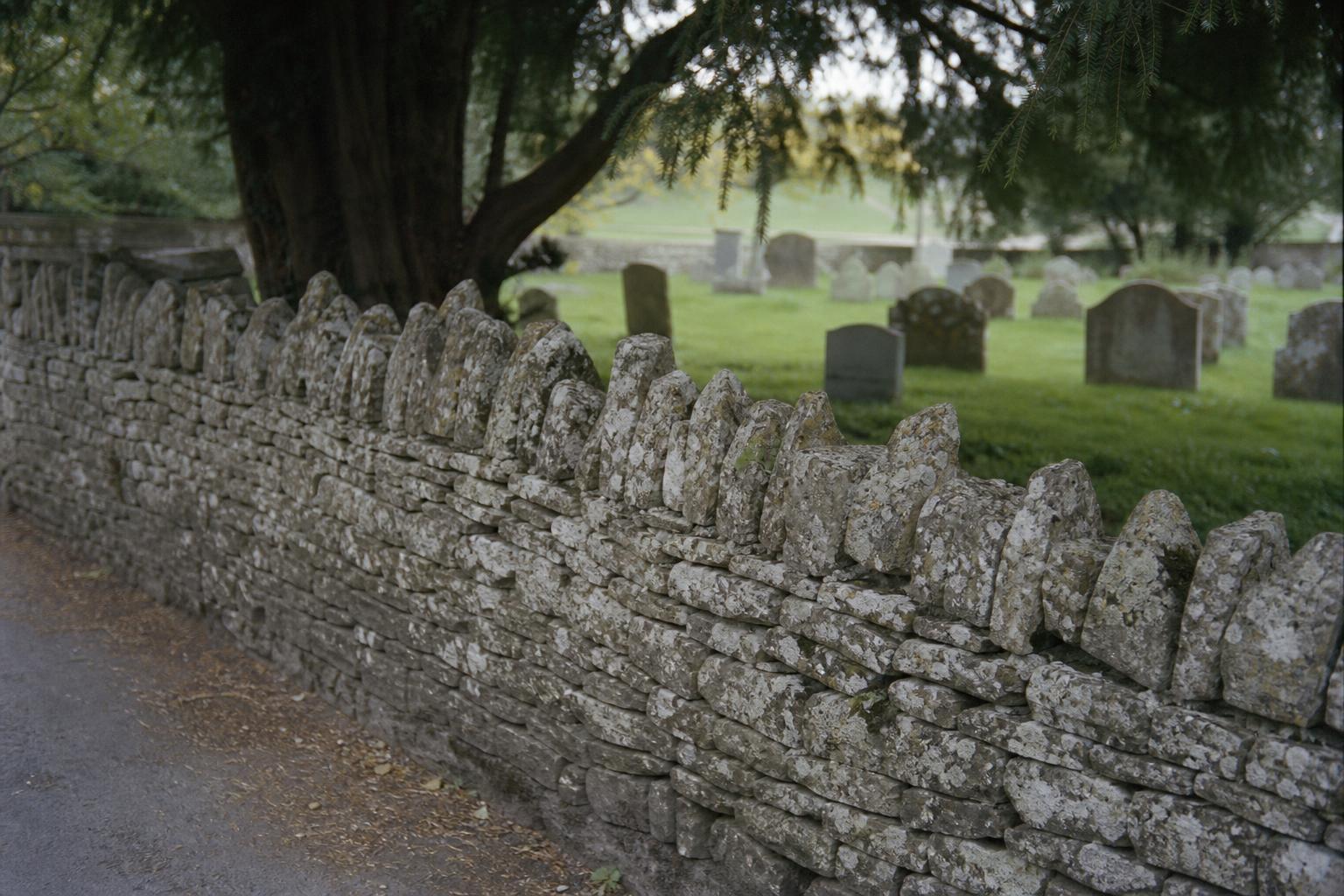
RFA Conservation repairs and rebuilds historic masonry using the materials and methods it was first made with — breathable lime, dry stone, cob and daub. No cement. No shortcuts.
Approach
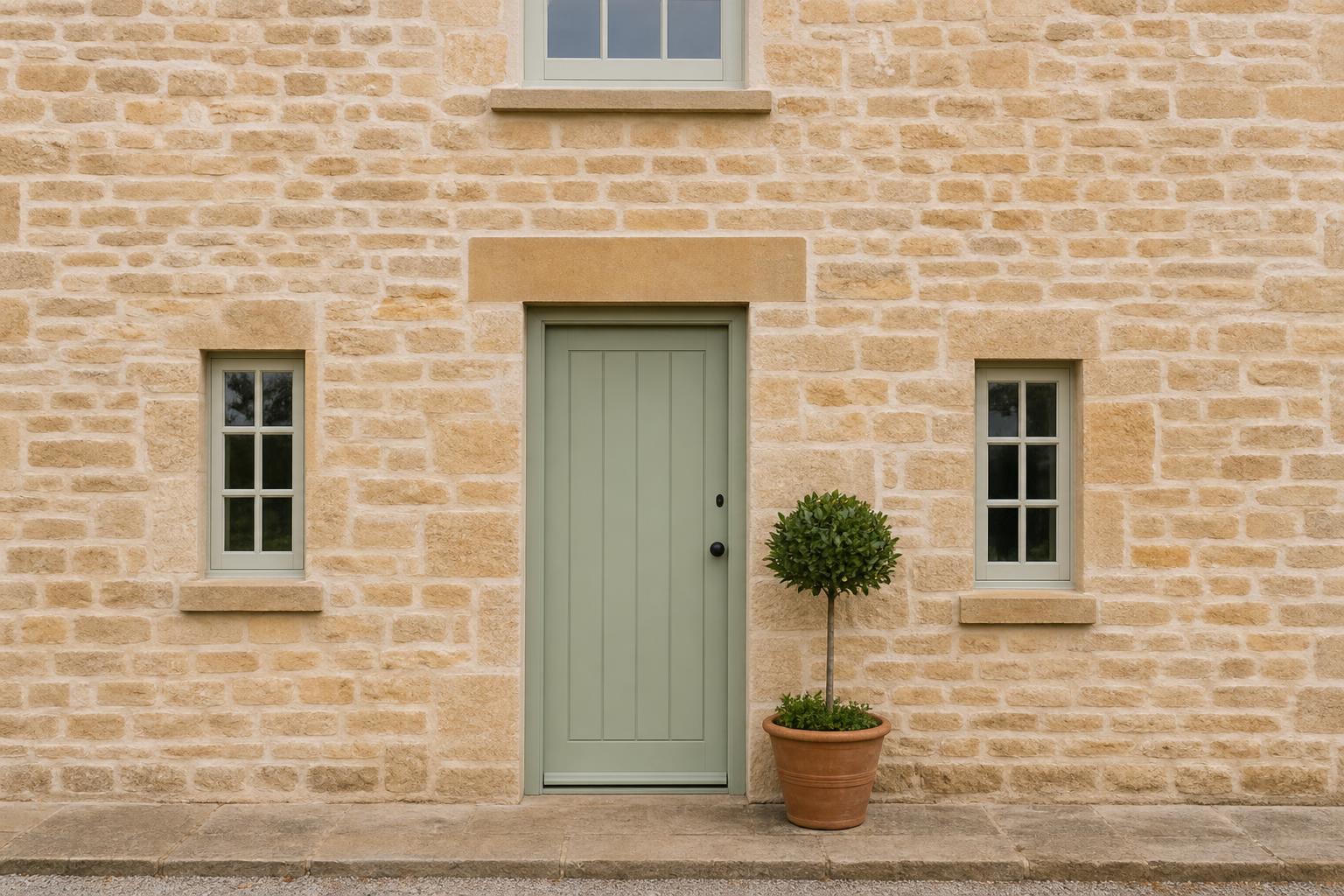
A building wants to breathe. Cement and gypsum trap moisture in soft historic stone and cause it to crumble from within. Lime, earth and timber let walls dry, move and last another three hundred years.
Breathable
Vapour-permeable mortars and finishes that protect — not seal — historic fabric.
Reversible
Every intervention can be undone by the next generation of conservators.
Authentic
Materials and methods matched to the building's original construction.
What we do
Four disciplines, one quiet philosophy.
Recent projects
Walls we've put our hands to.
Common questions
Where in Somerset do you work?
We are based in Taunton and cover most of Somerset and east Devon — Wellington, Wiveliscombe, Bridgwater, Glastonbury, Wells, Frome, Bruton, Yeovil, Tiverton, Crediton — plus selected listed and grant-aided projects further into Dorset, Wiltshire and Herefordshire.
Why do you only use lime, not cement?
On any wall built before about 1920, cement does serious long-term damage. It is harder than the surrounding stone, brittle, and effectively waterproof. Lime is soft, breathable and sacrificial — exactly what a historic wall needs. We have written more about this in our journal.
How do I get a quote?
Send a few photographs and a short description of the wall, the address and whether it is listed. We will reply with an honest first opinion and, if it looks like a job for us, arrange a site visit. Initial visits are unhurried and free.
Have a wall that needs looking at?
We survey across the South West. Initial visits are unhurried — put the kettle on.